
Registering an out-of-state electric vehicle (EV) in California involves confirming emission standards through environmental labels, obtaining an out-of-state title from the DMV, paying specific registration fees, and ensuring specialized car insurance. Quick Auto Tags can assist with paperwork and compliance, providing access to benefits like carpool lanes and tax incentives. The process includes gathering documents, applying for a CA certificate of registration, getting new plates, updating insurance, and adhering to state regulations. Proper registration unlocks advantages such as charging stations and tax breaks.
With the global shift towards sustainable transportation, importing electric vehicles (EVs) has gained prominence, especially in California—a state leading the charge against climate change. However, navigating the process of Registering out of state electric vehicle California can be complex for prospective EV owners. This article serves as a comprehensive guide, demystifying each step to ensure a seamless transition into the world of electric mobility. By providing an in-depth exploration, we aim to empower individuals to make informed decisions and contribute to California’s clean energy future.
- Understand California Electric Vehicle Requirements
- Prepare for Out-of-State Registration Process
- Importing Your EV: Step-by-Step Guide
- Registering Your Electric Vehicle in California
Understand California Electric Vehicle Requirements

Registering an out-of-state electric vehicle (EV) in California involves understanding specific requirements tailored to this environmentally conscious state. Unlike traditional gasoline vehicles, EVs require additional steps due to varying regulations and infrastructure. One key aspect is ensuring compliance with local laws, which can differ from other states. For instance, California has strict emission standards that may not be as stringent in other regions. Therefore, a significant step is confirming that your EV meets or exceeds these standards, often verified through a vehicle’s environmental performance label.
Out-of-state title registration in California is a crucial process, especially for those bringing their EVs from other states. The state’s Department of Motor Vehicles (DMV) requires an out-of-state title, which serves as proof of ownership. This document should be accompanied by necessary fees, including out-of-state car registration costs, which can vary based on the vehicle’s make and model. It’s essential to check with the DMV for accurate fee structures, ensuring a smooth transition during the registration process. Additionally, car insurance requirements play a vital role in EV ownership. California mandates minimum liability coverage, but given the unique nature of EVs, some insurers offer specialized plans tailored to these vehicles, potentially enhancing protection and peace of mind.
To streamline this process, consider seeking assistance from experts like Quick Auto Tags, who specialize in out-of-state auto registration handling. They can guide you through the paperwork, ensuring accuracy and saving time. Remember, proper registration is not just about legal compliance; it ensures your EV is roadworthy and eligible for California’s benefits, such as access to carpool lanes and potential tax incentives for clean energy vehicles.
Prepare for Out-of-State Registration Process

Registering an out-of-state electric vehicle in California can be a smooth process if you’re prepared. The key lies in understanding the requirements for transferring your registration and getting new license plates tailored to California’s regulations. Many residents opt for private DMV registration services, such as Quick Auto Tags in Riverside, known for their efficient fast vehicle registration processes, especially beneficial for those who don’t have time or prefer a hassle-free experience.
The first step is obtaining an out-of-state title, which serves as proof of ownership and is crucial for initiating the California registration process. Once you have your title, visit the California Department of Motor Vehicles (DMV) website to access the application for registering out-of-state vehicles. Gather all necessary documents, including vehicle identification numbers (VIN), previous registration records, and possibly a bill of sale. The DMV will issue a California certificate of registration after verifying your information.
Obtaining new license plates is an essential part of the process. You can apply for them at a local DMV office or through authorized private services like Quick Auto Tags in Riverside. Expect to pay a fee for the plate issuance and installation, ensuring you meet all safety standards set by California regulations. With these steps, you’ll be well on your way to registering your out-of-state electric vehicle quickly and correctly in California.
Importing Your EV: Step-by-Step Guide
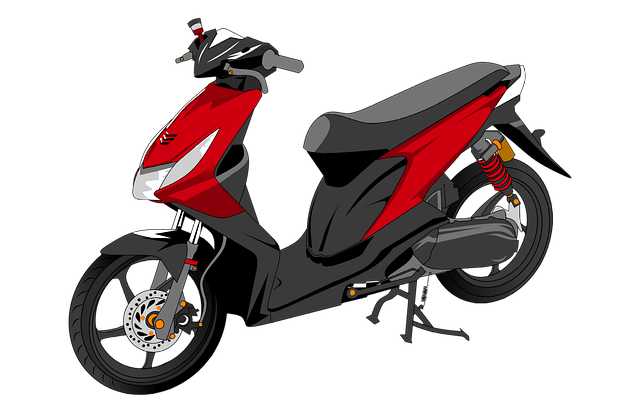
Importing an electric vehicle (EV) into California involves several crucial steps to ensure compliance with state regulations. First, locate a registered dealer or private seller outside of California who can facilitate the transaction. Once you’ve purchased your out-of-state EV, initiate the registration process by contacting the California Department of Motor Vehicles (DMV). You’ll need to provide proof of purchase and complete necessary paperwork for out-of-state car registration in California. This may include an out-of-state title, vehicle identification number (VIN), and any applicable emissions test results.
The DMV will assess associated fees, including out-of-state car stickers in California, which can vary based on the vehicle’s age and emission standards. For newer EVs with strict compliance, these fees can be substantial. To streamline this process, consider using a service like Quick Auto Tags, which specializes in registering out-of-state cars. They can guide you through the paperwork and ensure all requirements are met quickly and accurately.
After registration, obtain a California license plate from the DMV, typically via an online application or local field office. Installing the new plates on your EV completes the legal import process. Remember to update your insurance policy to reflect changes in vehicle ownership and location for seamless coverage in California. This structured approach ensures your electric vehicle is legally registered and ready for California’s vibrant network of charging stations.
Registering Your Electric Vehicle in California

Registering an out-of-state electric vehicle (EV) in California is a straightforward process, though it does require attention to detail and specific documentation. First, ensure your EV is compliant with California’s emission standards. Once you’ve established this, you can begin the registration procedure with the Department of Motor Vehicles (DMV). One key step is acquiring new license plates designed for out-of-state vehicles, which can be done through authorized DMV locations or online services.
In Riverside, for instance, residents have found that utilizing streamlined registration methods at Quick Auto Tags has significantly simplified the process. This includes completing the necessary DMV paperwork for out of state cars, ensuring all vehicle details are accurate and up to date. It’s crucial to have your vehicle’s unique Identification Number (VIN) readily available during this process. After submission, the DMV will issue a registration certificate and new license plates specific to California, enabling legal operation on state roads.
While the process is largely straightforward, it’s essential to verify all requirements with the DMV or consult their official website for any updates. Proper registration not only ensures your EV complies with local laws but also offers access to charging stations, tax incentives, and other benefits that enhance ownership experience in this rapidly evolving automotive landscape.
Importing an electric vehicle (EV) into California involves navigating specific requirements and a detailed process. Key takeaways include understanding California’s Electric Vehicle requirements, preparing for out-of-state registration, and following a step-by-step guide for importing your EV. Once imported, the next crucial step is Registering Your Electric Vehicle in California, ensuring compliance with local regulations. This comprehensive article has provided an authoritative guide to successfully navigating these processes, empowering readers to make informed decisions when bringing an out-of-state EV into California.

